

The best time to visit Varanasi depends on the weather you prefer and whether you want to plan around a festival. January and February have recorded climate normals to compare, while Dev Deepavali and Ganga Mahotsav have been held in October–November.
- January: Mean daily maximum 21.9°C; mean daily minimum 9.0°C.
- February: Mean daily maximum 26.7°C; mean daily minimum 12.4°C.
- Festival timing: Dev Deepavali and Ganga Mahotsav have been held in October–November.
- Hotel: Hotel Padmini International is in Varanasi; you can view rooms at this Varanasi hotel.
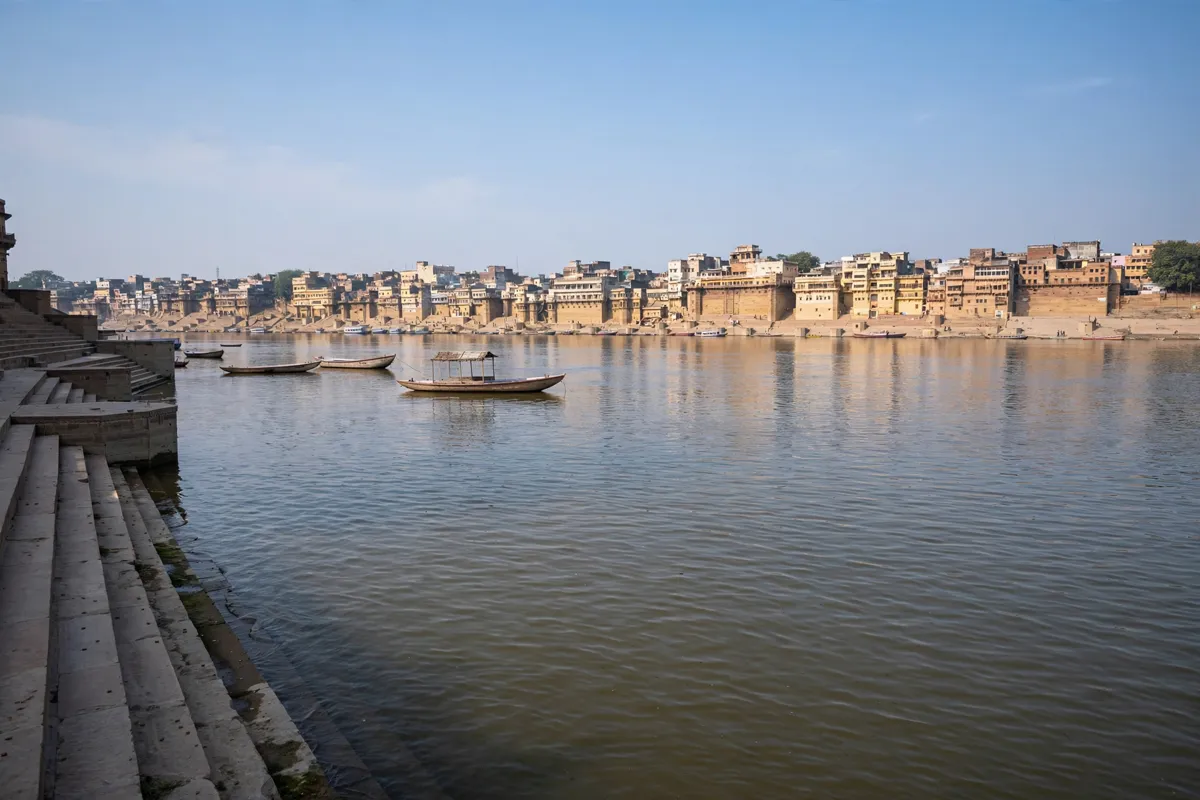
Varanasi’s seasons at a glance
January and February are the months with climate figures available here for a direct comparison. The India Meteorological Department’s Varanasi BHU climatological table uses the 1991–2020 period and reports monthly temperature, rainfall and rainy-day normals.
January’s normal mean daily maximum is 21.9°C and its mean daily minimum is 9.0°C. February is warmer by these measures, with a mean daily maximum of 26.7°C and a mean daily minimum of 12.4°C. These figures can help you choose between the two months for time outdoors, including visits to the ghats and Sarnath.
The same table records rainfall as well as temperatures, so check current forecasts as your trip approaches rather than treating climate averages as a day-by-day prediction.
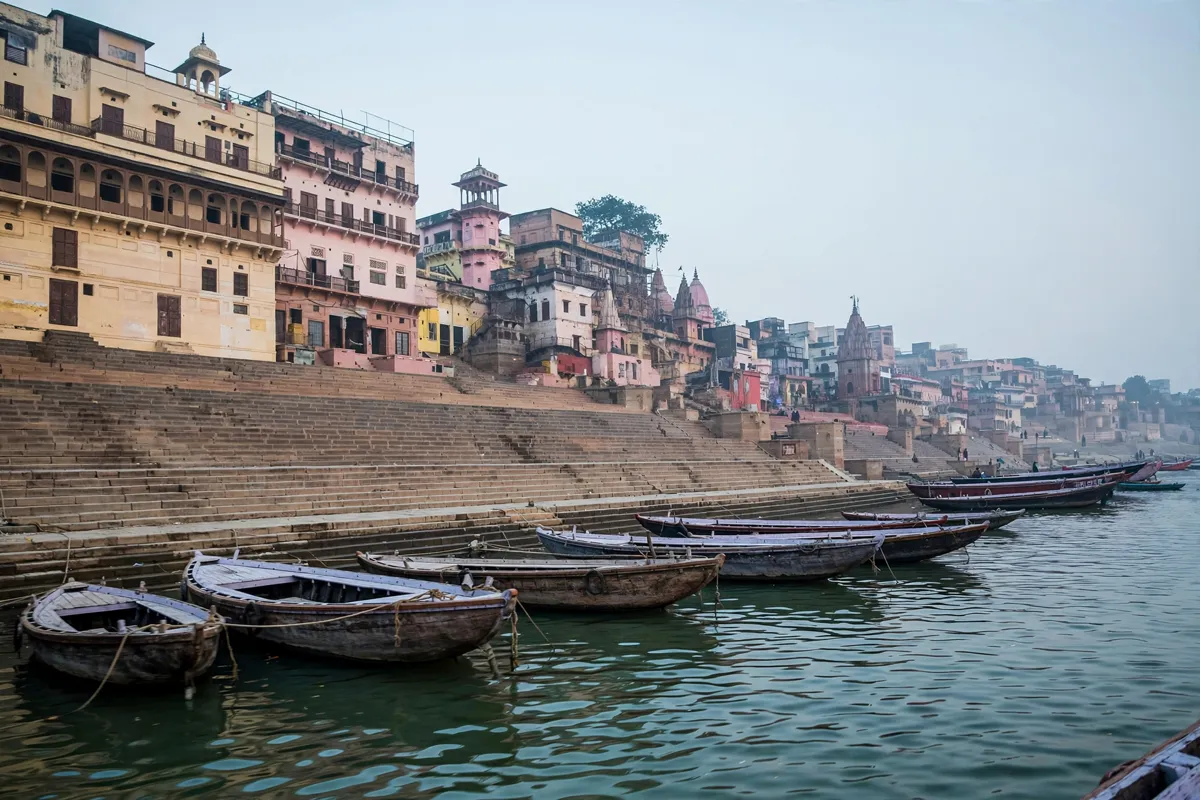
Winter sightseeing and festival dates
January and February provide the clearest month-by-month winter comparison in the available climate normals. January averages 16.3 mm of total rainfall and 1.5 rainy days; February averages 21.7 mm and 1.7 rainy days.
For outdoor sightseeing, use the temperature and rainfall figures as planning context, then check the forecast close to your travel dates. The averages do not promise particular conditions on a given day.
If Sarnath is part of your plans, allow for it as a separate outing and keep your schedule flexible around the weather. The Sarnath visitor guide covers planning a visit there.
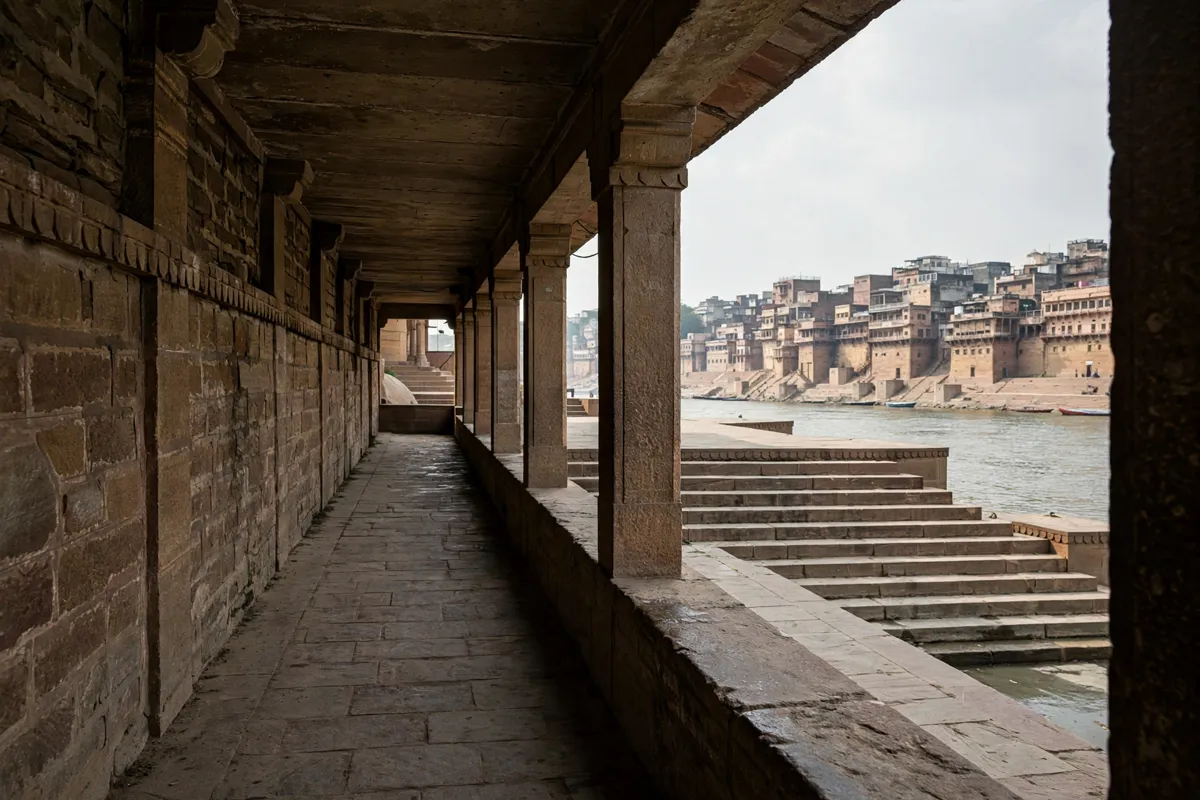
Hot-season planning
The available monthly climate figures do not include Varanasi’s hot-season temperatures, so they cannot establish which summer month is most comfortable. If you are considering a summer visit, check current forecasts before setting plans for extended time at the ghats or other outdoor sights.
Keep outdoor activities flexible around the conditions on the day. You can also make decisions about timing once you have a local forecast, rather than relying on January and February averages to represent summer weather.
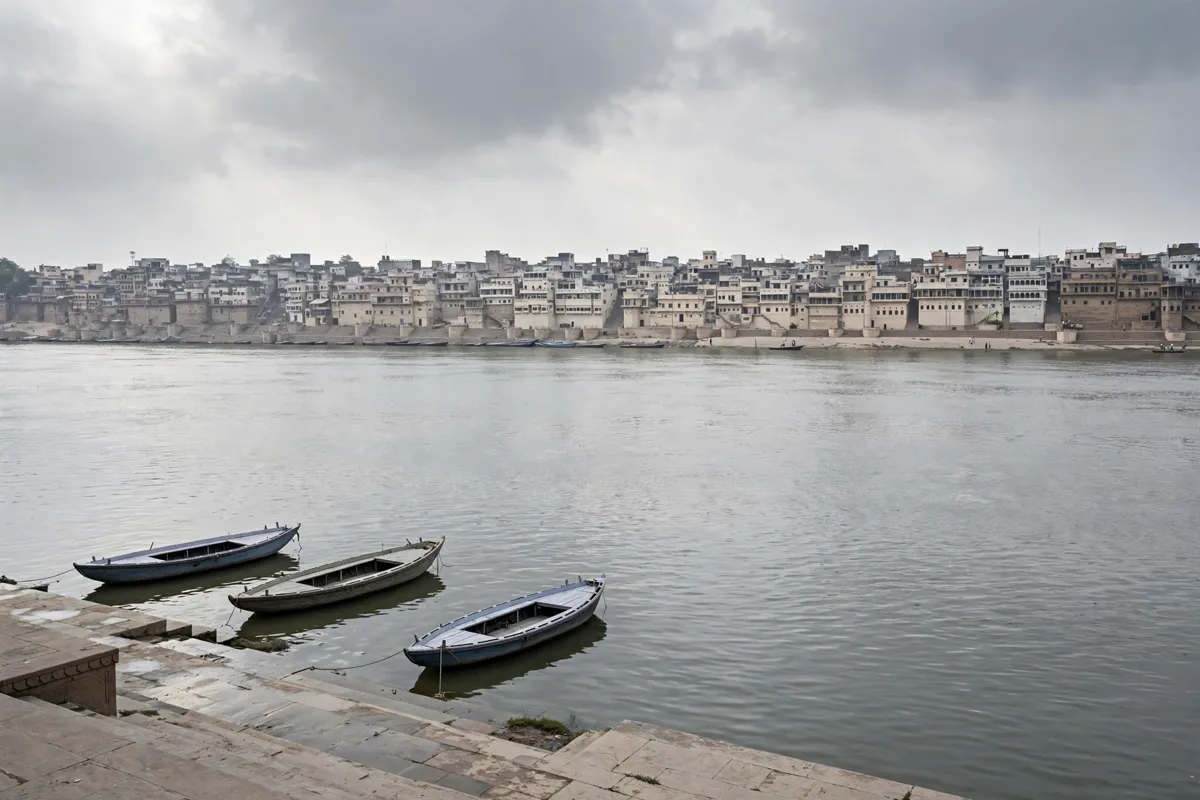
Monsoon conditions and riverfront visits
During the monsoon, check a current forecast before planning riverfront visits, since conditions can affect how practical it is to spend time outdoors along the ghats.
Before committing to a tightly timed day of sightseeing, check the forecast and leave room to adjust your plans.
Choosing dates around events
Dev Deepavali and Ganga Mahotsav take place in Varanasi in October–November, according to a Uttar Pradesh tourism-sector booklet. The specific programme and dates can vary by edition.
Ganga Mahotsav features music, dance and crafts. Dev Deepavali is associated with illuminated ghats that can be viewed from a boat on the Ganga. If an event is central to your trip, confirm its current dates and arrangements before booking; a past listing is not a guarantee of a future programme.
Ramnagar Ramlila is another subject to consider when researching Varanasi’s autumn festival calendar. The guide to Ramnagar Ramlila and Varanasi’s autumn festivals gives that seasonal context.
What to verify before booking a trip
Before booking, verify the forecast for your travel dates and the current schedule for any event you plan to attend. Monthly climate normals describe long-term averages, not the weather on a particular day, and festival listings from earlier editions do not confirm future dates.
For an outdoor-focused itinerary, check conditions before setting plans for the riverfront, Sarnath and other open-air visits. A one-day Varanasi itinerary can help you consider how to arrange local sightseeing. Before you go: check the official site before you go for current event details and relevant updates.
FAQs
Which month is warmer, January or February?
February has higher climate normals: a mean daily maximum of 26.7°C and minimum of 12.4°C, compared with January’s 21.9°C and 9.0°C.
When have Dev Deepavali and Ganga Mahotsav been held?
Both have been held in October–November. Check the current programme before choosing travel dates around either event.
Can climate averages predict the weather during a visit?
No. Monthly normals describe long-term averages, so check a current forecast for conditions during your trip.